Topic: Making the Past Serve the Present
Title: The True Motivation for Reading and Studying, To know the Past so it can Serve the Present Entry 2 Part 1
Video Inspired By: How African American Culture was Created (https://youtu.be/1ayVUFTmqAc)
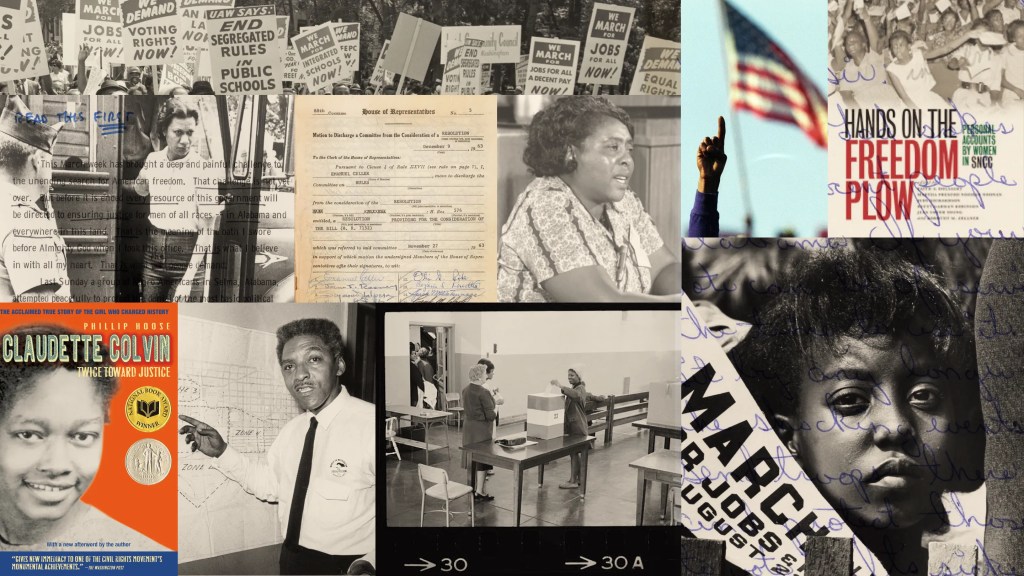
The title gives away the mystery in this entry; the mystery being the act alluded to in the question, “how, exactly, does the phrase Making [to make] the Past Serve the Present become practical”? The title offers a clue to the answer. We study what has been written by those before us to learn what they knew, how they came to know it, how they applied it and sometimes even why they believed or knew what they came to know was important. Amassing such knowledge just to have it wastes the gift the knowledge represents; since, in the final analysis, the knowledge was tested by those who recorded it to ensure it was applicable to real world situations before it was set down on paper for posterity. Considering this fact, the authors likely hoped the knowledge would be used similarly in the future – to solve some problem which arose to once again challenge the Black Community’s commitment to achieving its freedom and liberation. Obviously, not everything learned in our past would be applicable today; changes in social acceptability, technological considerations, cultural adaptations and many more evolutions throughout this society have rendered some practical lessons unusable today, however the mere knowledge gained by reading about how these Black Men and Women (and sometimes children and teenagers) solved their problems, could inspire others to do the same in the here and now.
At a much deeper spiritual level, studying a specific person and time period can do more than just inspire us to use what worked in the past to resolve current problems; if a person delves deep enough into a historical figures work, their life story and their lineage; taking care to go to their childhood home or adult home (if still standing), their Alma mater, their community, their grave site and anywhere else they traversed when they lived; a process known as immersion will occur – especially if this interest occurs for many years or decades. The results from this immersion can and often are profound. The person could start dressing like the historical figure they are studying, they may (and often do) adopt certain mannerisms from the figure, they may at a very personal level start to thinking and even find themselves motivated by the same causes important to the historical figure during their life. When it is a time period rather than a single figure a person studies so deeply the immersion process occurs; all the above can, and often do, still occur, but instead of simply drawing inspiration from one historical figure, they can switch between figures who occupied lifetimes during the same historical period.
Can you imagine being able to do such a thing as this? I hope so, because this is the inherent power trapped in all of us, most notably our children who still have the capacity to dream and visualize themselves as other people from other lifetimes. But I’ll leave that to the parapsychologists (or maybe with enough encouragement from you the reader, another blog entry where I discuss Dr. T’Shaka’s allusion to past lives”. Until then, ponder this question and leave the answer to it in the comments section – what historical figure would you engage in immersion with and/ or what time period would you immerse yourself in?
 The Dr. Oba T'Shaka Show Archive & More
Leave a comment